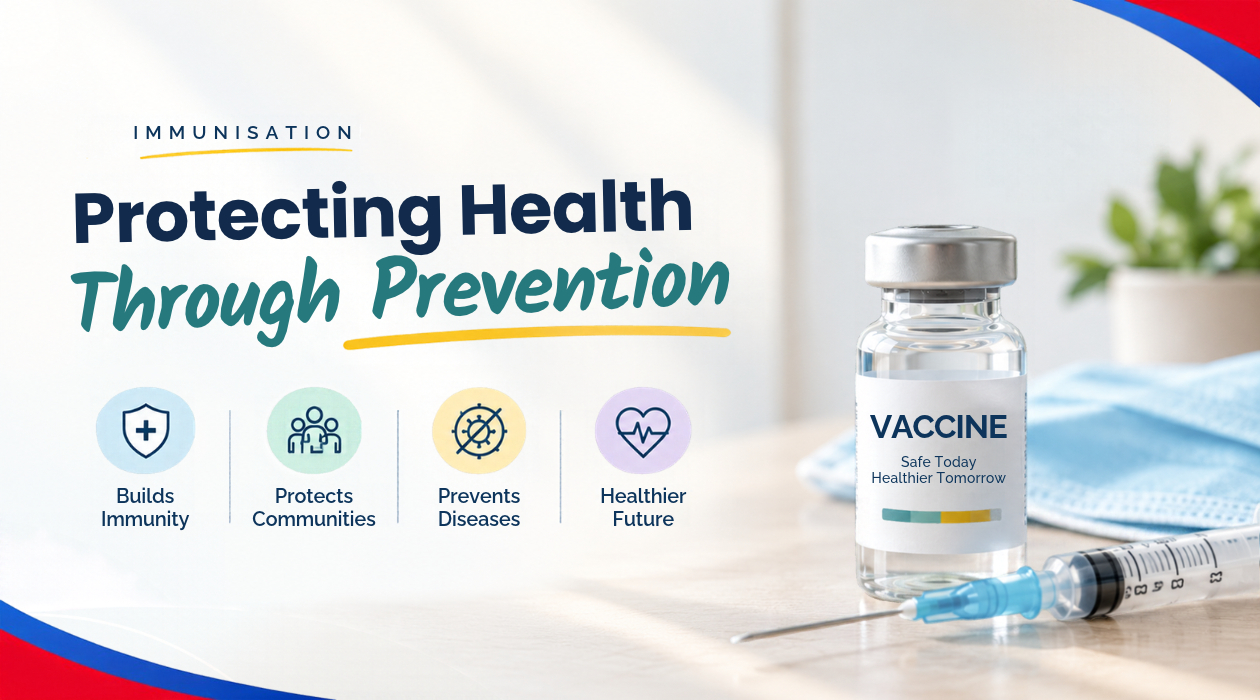
Immunisation is an important public health measure that protects individuals against vaccine-preventable infectious diseases. Vaccines stimulate the body’s immune system to recognise and respond to specific pathogens, helping reduce the risk of infection, severe illness, complications and death (World Health Organization [WHO], 2025).
Vaccination plays an important role in preventing diseases such as measles, poliomyelitis, hepatitis B, diphtheria, tetanus and pertussis (whooping cough). High vaccination coverage can also reduce the transmission of certain infectious diseases within communities, helping protect vulnerable individuals and reduce the burden on healthcare services (WHO, 2024).
The Importance of Immunisation Throughout Life
Immunisation is important at every stage of life, from infancy to older adulthood. Childhood vaccinations help protect children against serious infections during their early development, while certain vaccines and booster doses may be recommended for adolescents and adults to maintain protection.
In Malaysia, the National Immunisation Programme provides recommended childhood vaccinations against several vaccine-preventable diseases. Additional vaccinations may be appropriate depending on an individual’s age, medical history, occupation, travel plans and risk of exposure. Parents and caregivers are encouraged to follow the recommended vaccination schedule and consult healthcare professionals regarding missed doses or additional vaccination needs.
Immunisation and Preventive Healthcare at Putra Medical Centre
Putra Medical Centre (PMC), Alor Setar, recognises the importance of immunisation as part of preventive healthcare in protecting individuals and families against vaccine-preventable diseases. Understanding vaccination recommendations and maintaining up-to-date immunisation records are important steps in reducing the risk of preventable infections.
Through appropriate medical advice and health education, patients are encouraged to understand their vaccination needs and consult healthcare professionals regarding recommended immunisation based on their age, medical history and health status. Parents and caregivers should also seek professional advice on childhood vaccination schedules and catch-up vaccinations when doses have been missed.
Vaccine Safety and Effectiveness
Vaccines undergo scientific evaluation and regulatory assessment to establish their safety, quality and effectiveness before approval. Their safety continues to be monitored after they are introduced for public use.
Common side effects include pain, redness or swelling at the injection site, mild fever and fatigue. These reactions are generally temporary, while serious adverse reactions are rare. Individuals should inform their healthcare provider about previous severe allergic reactions, relevant medical conditions or other concerns before receiving a vaccine (WHO, 2025).
Although no vaccine provides complete protection in every individual, vaccination substantially reduces the risk of many serious infectious diseases. Decisions about vaccination should be guided by current recommendations and advice from qualified healthcare professionals.
Building a Healthier Community Through Immunisation
Immunisation remains a key component of preventive healthcare. Maintaining appropriate vaccination coverage helps reduce the burden of vaccine-preventable diseases, prevent outbreaks and protect public health (WHO, 2024).
Individuals and families are encouraged to keep vaccination records up to date and seek reliable medical advice about recommended vaccines. By making informed decisions about immunisation, everyone can contribute to reducing the spread of preventable diseases and promoting healthier communities.
References:
- World Health Organization. (2025). Vaccines and immunization. https://www.who.int/health-topics/vaccines-and-immunization
- World Health Organization. (2024). Immunization coverage. https://www.who.int/news-room/fact-sheets/detail/immunization-coverage