Heart disease remains a major public health concern in Malaysia. National mortality data consistently shows ischaemic heart disease among the leading causes of medically certified deaths, underscoring the importance of public awareness and prevention. While some heart conditions present with clear warning signs, others may develop quietly. Understanding how heart disease can appear without obvious symptoms helps individuals stay informed and better prepared to discuss their health during routine medical visits.
Understanding “Silent” Heart Conditions
The term silent heart disease refers to cardiovascular conditions that may progress with minimal or non-specific symptoms. This does not mean symptoms are absent altogether, but rather that early changes can be subtle, easily overlooked, or mistaken for everyday fatigue or stress. Because of this, awareness plays an important role in supporting timely conversations with healthcare professionals, especially for individuals with known risk factors such as high blood pressure, diabetes, or a family history of heart disease.
Subtle Signs That May Be Overlooked
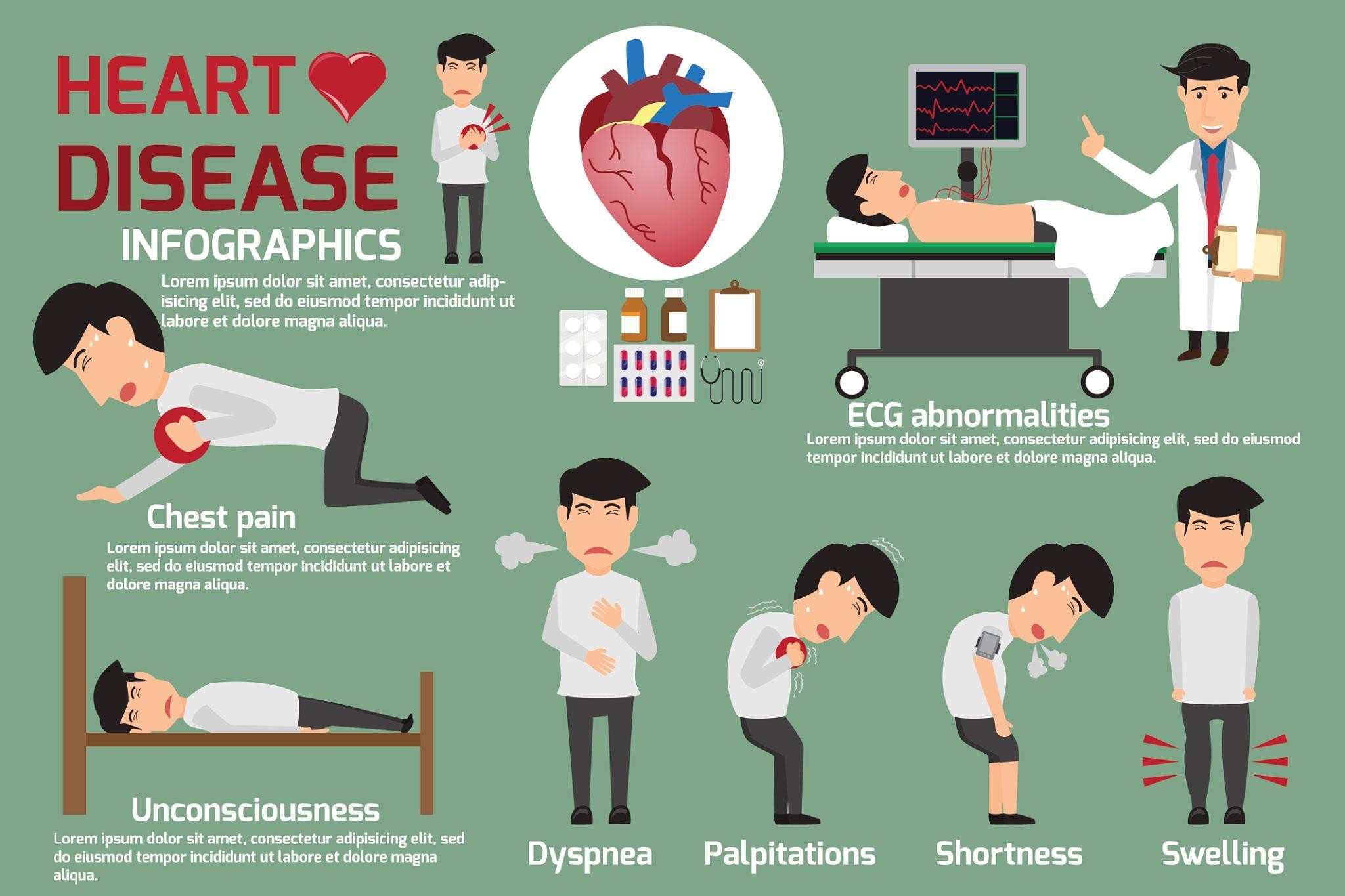
Some commonly reported symptoms associated with heart conditions are not always dramatic. These may include:
- Persistent fatigue
Feeling unusually tired despite adequate rest may have many causes. In some cases, ongoing fatigue has been observed alongside cardiovascular conditions.
- Shortness of breath
Breathlessness during routine activities, or without clear physical exertion, may warrant attention, particularly if it is new or persistent.
- Chest discomfort
Not all heart-related chest sensations feel sharp or severe. Mild pressure, tightness, or discomfort should be noted rather than dismissed.
- Dizziness or lightheadedness
Occasional dizziness can occur for many reasons, but repeated or unexplained episodes may be relevant during health assessments.
- Swelling in the lower limbs
Persistent swelling in the ankles, feet, or legs can be associated with circulation-related issues and should be discussed with a healthcare provider.
These signs are not diagnostic on their own. They are listed to support awareness, not self-assessment or self-diagnosis.
Blood Pressure and Heart Health
High blood pressure, often referred to as a “silent” condition, commonly has no noticeable symptoms. Yet it is widely recognised as a significant risk factor for heart disease and stroke. In Malaysia, cardiovascular conditions linked to hypertension contribute substantially to overall disease burden. Regular blood pressure checks during routine medical visits remain an important part of preventive health discussions.
How Heart Conditions Are Assessed
Healthcare professionals use a combination of medical history, physical examination, and appropriate investigations to assess heart health. There are various diagnostic tools available, and the choice of tests depends on individual circumstances and clinical judgement. Some tests are used to evaluate blood flow in the heart or to identify narrowing of blood vessels. Decisions about investigations are made by qualified medical practitioners based on established clinical guidelines and patient-specific factors.
Staying Informed About Heart Health
Maintaining awareness of heart health involves understanding risk factors, recognising when symptoms persist, and engaging in regular medical check-ups. Early conversations with healthcare professionals can help clarify concerns and support informed decision-making.
PMC: Supporting Heart Health Awareness
Putra Medical Centre supports community health education by providing reliable, evidence-based information to help individuals better understand common health conditions. Through preventive health programmes and routine medical services, PMC contributes to heart health awareness across Kedah and northern Malaysia.
Disclaimer: This content is for general educational purposes only and does not replace professional medical advice, diagnosis, or treatment. Always seek advice from a qualified healthcare provider for personal concerns. If you experience urgent symptoms, seek immediate medical attention or call 999.