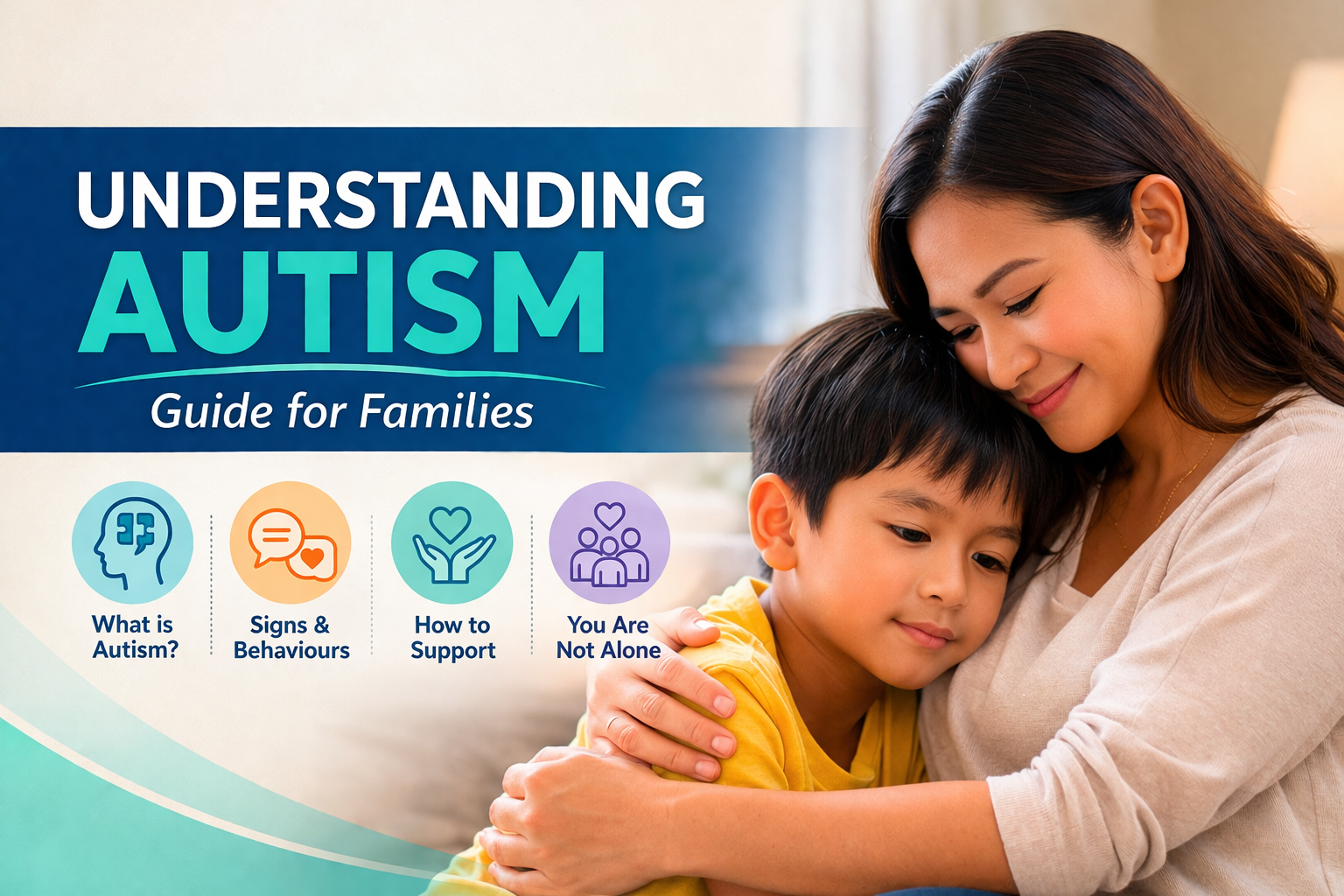
Every child grows and learns in their own way. For some families, this journey may include understanding autism, also known as Autism Spectrum Disorder (ASD). Recent reports suggest that autism diagnoses have increased significantly in Malaysia over the past decade. This may reflect improved awareness, better recognition, and wider access to developmental assessments.
As awareness grows, more families are seeking information and support to better understand their child’s needs. This growing awareness highlights the importance of understanding what autism is and how families can be supported in everyday life.
What Is Autism Spectrum Disorder?
Autism is a developmental condition that affects how a person communicates, interacts with others, and experiences the world around them. It is described as a spectrum because each individual is different. Some children may need more support in certain areas, while others may develop skills in their own unique ways.
Children with autism may experience differences in communication, social interaction, and behavior. For example, some may find it difficult to express their needs or understand social cues. Others may prefer routines or have strong interests in specific topics.
These differences can affect daily activities, school experiences, and social interactions, but with understanding and support, many children continue to learn and grow in their own ways.
Supporting Children with Autism
Support for children with autism often involves understanding their strengths, preferences, and areas where they may need guidance. Creating a structured and supportive environment can help children feel more comfortable. Clear communication, patience, and consistency are often helpful in daily routines. Families may also explore available community resources, educational support, and developmental services based on their needs.
PMC: Supporting Families and Caregivers
Caring for a child with autism can be both meaningful and challenging. Families may benefit from connecting with support networks, sharing experiences, and accessing reliable information. Taking time for personal well-being is also important, as it helps caregivers maintain balance while supporting their child.
Putra Medical Centre (PMC) supports individuals and families in Alor Setar, Kedah, and across northern Malaysia through general medical care, health screening, and community health awareness.
Looking Ahead
Understanding autism is an important step toward building a more supportive and inclusive community. As awareness continues to grow in Malaysia, families, educators, and communities all play a role in creating environments where individuals with autism can thrive.
By promoting understanding of developmental and long-term health conditions, PMC aims to support families in making informed decisions.
Disclaimer: This content is for general educational purposes only and does not replace professional medical advice, diagnosis, or treatment. Always seek advice from a qualified healthcare provider for personal concerns. If you experience urgent symptoms, seek immediate medical attention or call 999.