
It is not a topic most of us chat about over teh tarik. But the truth is, sexually transmitted diseases (STDs) are quietly on the rise in Malaysia, and protecting ourselves starts with honest awareness.
When “It Won’t Happen to Me” Becomes Risky
Many Malaysians still associate STDs with “other people” — someone careless, someone immoral, someone else. But that is far from reality. According to the Ministry of Health (MOH), Malaysia recorded 4,669 syphilis cases in 2022, and more than one in five gonorrhoea cases were among youths below 21 years old. These infections do not discriminate. Whether you are single, married, or dating, unprotected sex or a lack of regular screening can expose anyone to risk.
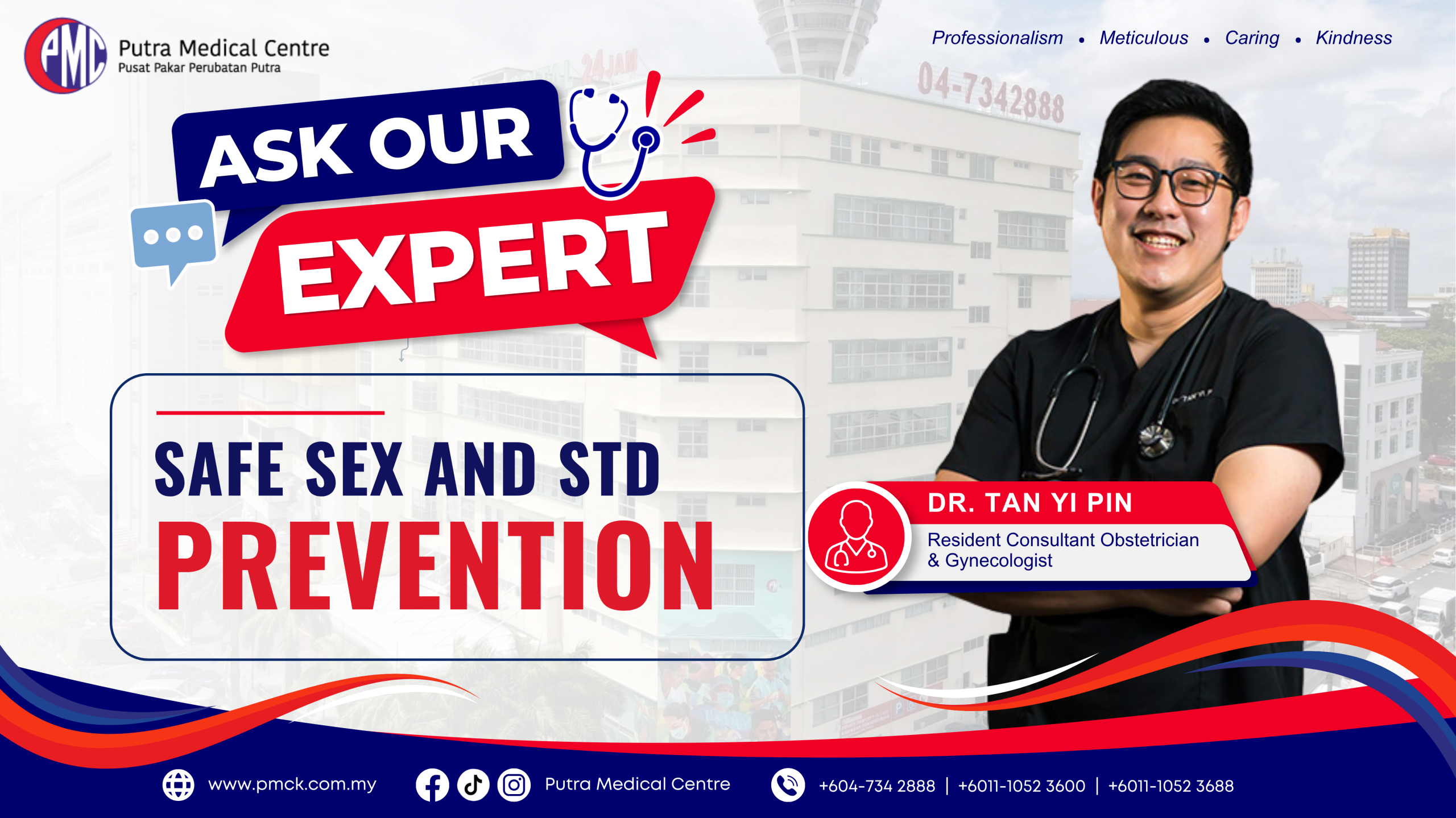
Resident Consultant Obstetrician & Gynecologist Dr. Tan Yi Pin, at Putra Medical Centre Alor Setar (PMC), explains, “Sexual health is not just about avoiding disease. It is about taking responsibility for your wellbeing and your partner’s. Prevention is care.”
What Causes STDs and Why They Spread
STDs (also known as sexually transmitted infections, or STIs) are caused by bacteria, viruses, or parasites passed through sexual contact.
Common examples include:
- Bacterial: Chlamydia, gonorrhoea, syphilis
- Viral: HIV, herpes
- Parasitic: Trichomoniasis
They can spread through vaginal, oral, or anal sex, and in some cases even through skin-to-skin contact or shared needles. Poor awareness, stigma, and a lack of regular testing make them spread silently. Many people do not realise they are infected because early symptoms such as mild itching, pain, or discharge often go unnoticed.
What Safe Sex Really Means
Practising safe sex goes beyond using condoms. It is about open communication, mutual respect, and regular health checks.
Here are some recommended steps from healthcare experts:
- Use protection correctly and consistently.
Condoms remain one of the most effective barriers against HIV and most STIs. - Get tested regularly.
Routine screening, especially if you have multiple partners, helps detect infections early. - Avoid sharing needles or personal items.
This includes razors, toothbrushes, and anything that may carry blood or body fluids. - Have honest conversations.
Discuss sexual health and testing before intimacy. Trust grows from honesty. - Seek help quickly if something feels wrong.
Burning sensations, unusual discharge, sores, or pain are signs to see a doctor. Avoid self-treatment or delay.
How Putra Medical Centre (PMC) Can Help You Stay Protected
At Putra Medical Centre Alor Setar (PMC), confidential STD screening and counselling are available as part of its preventive health programmes. These services help individuals understand and manage their sexual health responsibly in a supportive environment, without stigma.
“The earlier you test, the simpler it is to treat or manage,” says Dr. Tan Yi Pin. “Your health deserves that peace of mind.” If you are unsure where to start, PMC’s outpatient clinic team provides private consultations, routine blood tests, and health education on safe sex for individuals and couples.
PMC: Sexual Health and Preventive Care
Putra Medical Centre supports community awareness on sexual health through screening, counselling, and education. The goal is to encourage responsible choices and early intervention, reducing the risk of infection and long-term complications.
Disclaimer: This content is for general educational purposes only and does not replace professional medical advice, diagnosis, or treatment. Always seek advice from a qualified healthcare provider for personal concerns. If you experience urgent symptoms, seek immediate medical attention or call 999.