
Keep calm. Tackle the stink.
Have you ever had a friend or family member politely suggest that you might need a mint? Or perhaps you notice that the first thing you do every morning is brush your teeth and freshen up before starting the day. Occasional bad breath medically known as halitosis is a normal part of being human and generally nothing to worry about. However, if it becomes persistent, it may indicate an underlying health issue that requires attention.

If you have a funny taste in your mouth, then you’ve probably got bad breath which others can smell.
HALITOSIS: BAD BREATH EXPLAINED
The clinical term for bad breath is ‘halitosis.’ There are many reasons for bad breath, but not all those reasons are medical in nature. For example, foods containing garlic, onion, petai, or durian can leave an unpleasant odour in your mouth after consumption. Sometimes, however, the cause may be a lot more serious than a strong-smelling snack. If ongoing, the underlying cause of the symptom could mean poor oral hygiene including dry mouth, dental carries, gum problem, impacted wisdom tooth, acid reflux or some other condition like kidney disease.
Take A Quick Whiff But Asl To Confirm
You can’t always tell by cupping a hand over your nose and mouth and taking a quick whiff if your breath has the potential of clearing a room because it’s so bad. It won’t hurt to check with someone to know for sure. Generally, if you have a funky taste in your mouth, then you’ve probably got bad breath that others can smell. This is a helpful rule of thumb to live by to guide your personal instinct.
Kickstart The Diagnosis With A Dentist
Chronic halitosis is the presence of foul-smelling breath, and usually, the situation is not one that can just be brushed off with an awkward smile. While poor oral health can often be fixed with an improved daily dental care routine which is tooth brushing with fluoride toothpaste, flossing, and alcohol-free mouthwash, sometimes the solution may require a much deeper degree of medical intervention. Visiting a dentist is a good place to start. An initial check may reveal the need for more than teeth and gum remedies.
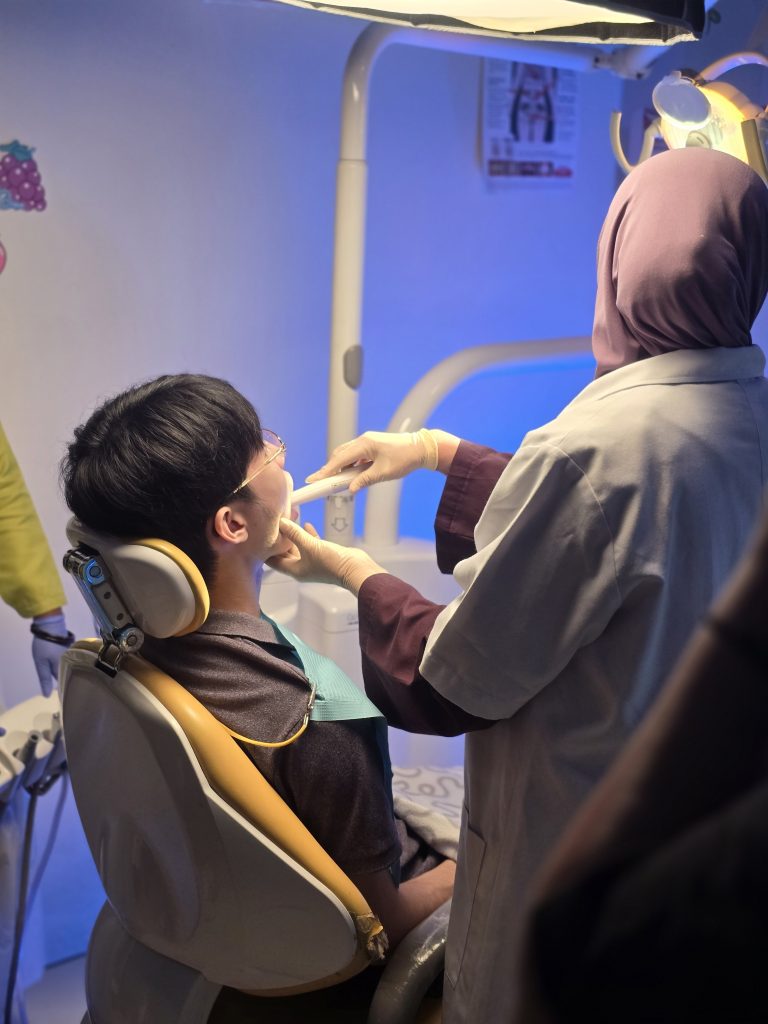
Visiting a dentist for a dental check-up is a good place to start if you suffer from halitosis.
Type of Smell Could Be A Wake-Up Call
While this warning isn’t meant to alarm you, it’s meant to alert you to some possibilities if you’ve been struggling for some time with a mouth that reeks without understanding the reason. Breath smells can range from sour to disturbingly sweet (the kind a diabetic patient releases). While diabetes can increase the risk of gum disease (such as periodontitis), low insulin can trigger a medical emergency called ketoacidosis, which makes the breath smell fruity called Acetone Breath and this isn’t a positive indicator.
Conditions That Could Cause Halitosis
Don’t ignore the problem if it has persisted for a while, and others have started to notice and told you. While the explanation for your bad breath might not be any reason for a health scare and panic, seeing a medical professional is the only way to ease your mind. In certain cases, a routine check-up or health screening can lead to a vital diagnosis. Certain ailments like ear, nose, and throat diseases; tonsil stones; kidney or liver disease; head and neck cancers; and other issues can lead to bad breath.
Breath Easy At Putra Medical Centre
Nonetheless, jumping to conclusions isn’t necessary and strongly discouraged. Leave the checking and diagnosing to healthcare professionals who are able to help, guide, and afford you effective treatment options. Putra Medical Centre has a team of dental care specialists with the expertise and experience to walk you through your battle with halitosis. If the final diagnosis does call for a deeper dive, our dentist are able to open up the consult–to invite observations from other specialists.
Disclaimer: This content is for general educational purposes only and does not replace professional medical advice, diagnosis, or treatment. Always seek advice from a qualified healthcare provider for personal concerns. If you experience urgent symptoms, seek immediate medical attention or call 999.