Healthy Practices Aid Prevention
Observed annually on 1 August, World Lung Cancer Day is an initiative designed with the aim to raise awareness surrounding lung cancer, its impact, and the importance of early detection and prevention. In fact, early detection is key to tackling this silent killer as the disease may not always begin with clear symptoms, according to healthcare experts. Putra Medical Centre joins in this effort to educate
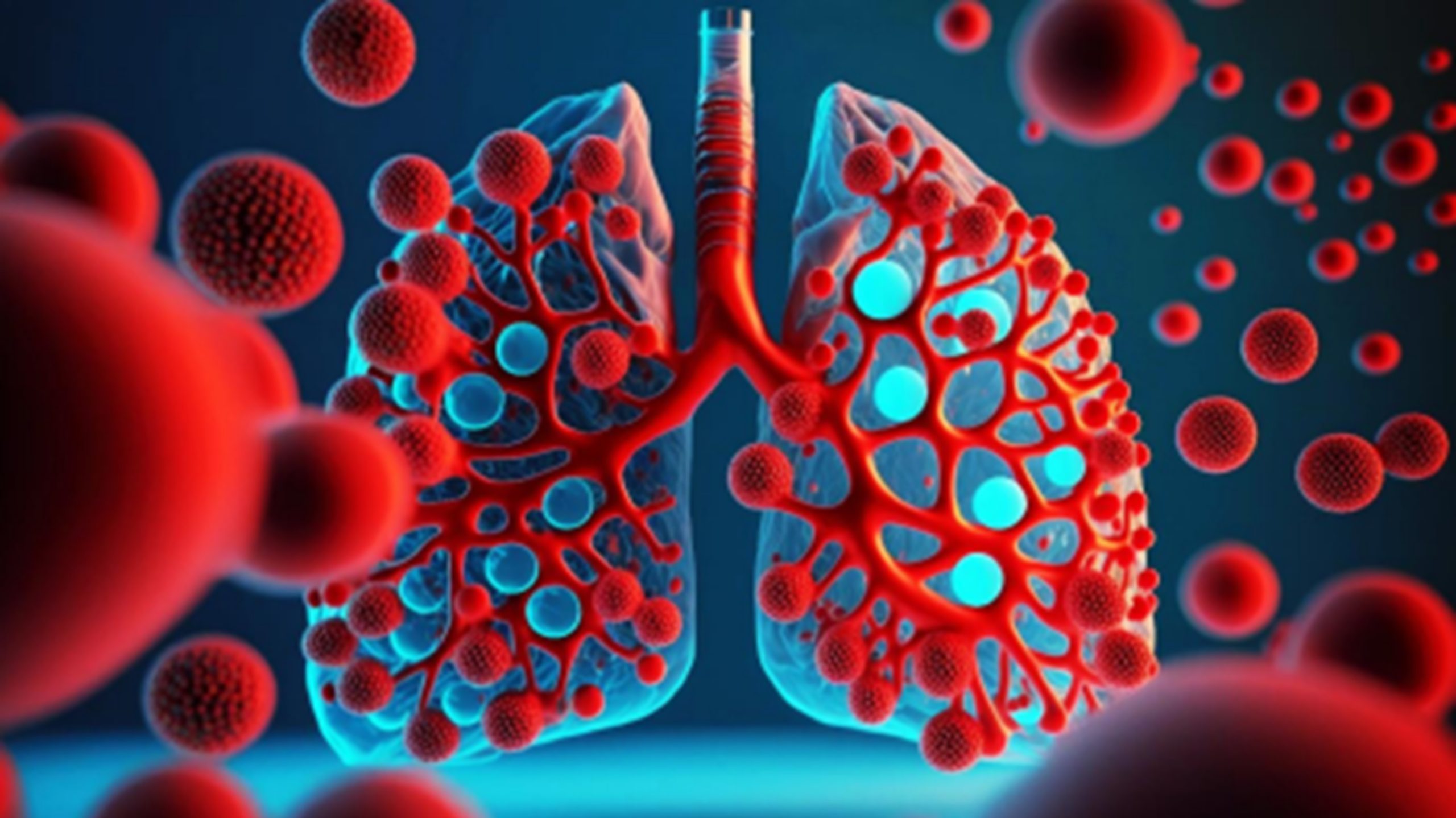
Lung cancer is a type that begins when abnormal cells grow in an uncontrolled way inside the lungs.
According to the World Health Organization, lung cancer is the leading cause of cancer-related deaths worldwide. This form of cancer accounts for the highest mortality rates among men and women. Where symptoms don’t always immediately point to the disease, this condition is often diagnosed at advanced stages. By then, treatment options are limited since the malignant cancer cells (abnormal tumours) would have spread (metastasis) to other parts of the body, making treatment very complex.
UNDERSTANDING LUNG CANCER
Lung cancer is a type which begins when abnormal cells grow in an uncontrolled way in the lungs. It is a serious health issue that can cause severe harm and death. The most popular variants of the disease are non-small cell carcinoma and small cell carcinoma. The former is more common and grows slowly, while the latter is less so, but often grows quickly. Do not underestimate how quickly these cancerous cells can infiltrate your internal organs, healthy ones too, if unaddressed medically.
Primary Symptoms Not To Ignore
Prime symptoms include a cough which does not go away, chest pain, shortness of breath, and fatigue. Where one may be experiencing such basic symptoms without realising it could be more than a flu, it is important to seek medical care without delay to avoid serious health repercussions. Early symptoms may be mild or dismissed as respiratory issues, leading to delayed diagnosis. Further signs are coughing up blood, sudden weight loss with no known cause, and recurring lung infections.

Say no to smoking! Smoking is the main cause of lung cancer. It is responsible for some 85% of cases.
Smoking and Further Risk Factors
Importantly, smoking is the main cause of lung cancer, and is responsible for around 85% of all cases. Not smoking is the best way to prevent this condition from inflicting a person with significant illness. Other risk factors include second-hand smoke (exposure to cigarette smoke can be equally hazardous), air pollution (toxic fumes or poisonous gases), and workplace hazards such as chemicals and asbestos. Accidental or deliberate, minimise exposure to such substances to lower risk or threat.
Key Intervention and Treatments
In this population, early detection can significantly increase the chances of successful treatment and improve outcomes. For eligible patients, the screening method for lung cancer is low-dose computed tomography (LDCT). Medical intervention and treatment do depend on a person’s medical history and stage of the disease. Oncologists work with multidisciplinary teams made up of other specialists to design care plans, which entail surgery, radiotherapy, chemotherapy, targeted therapy, and immunotherapy.
Early Detection To Aid Prevention
Early treatment could prevent lung cancer from worsening and spreading to other parts of the body. Primary prevention can reduce the occurrence of lung cancer and save lives. Two examples of this are tighter tobacco control measures and reduced exposure to environmental risk factors. Screening high risk individuals has the potential to allow for early detection and dramatically improve survival rates. For this reason, timely screenings make all the difference. Seek medical attention to have tests done.
PMC and Diagnostic Intervention
Diagnostic methods include physical examination, imaging (chest x-rays, computed tomography or CT scans, and magnetic resonance imaging), examination of the inside of the lung using a bronchoscopy, taking a tissue sample (biopsy) for histopathology evaluation, definition of the specific subtype (NSCLC versus SCLC), and molecular testing to identify specific genetic mutations and biomarkers to guide the best treatment option. Putra Medical Centre is specialised in imaging, biopsies, lab testing, and more. For further info or to make an appointment to screen for lung cancer, get in touch with us.