
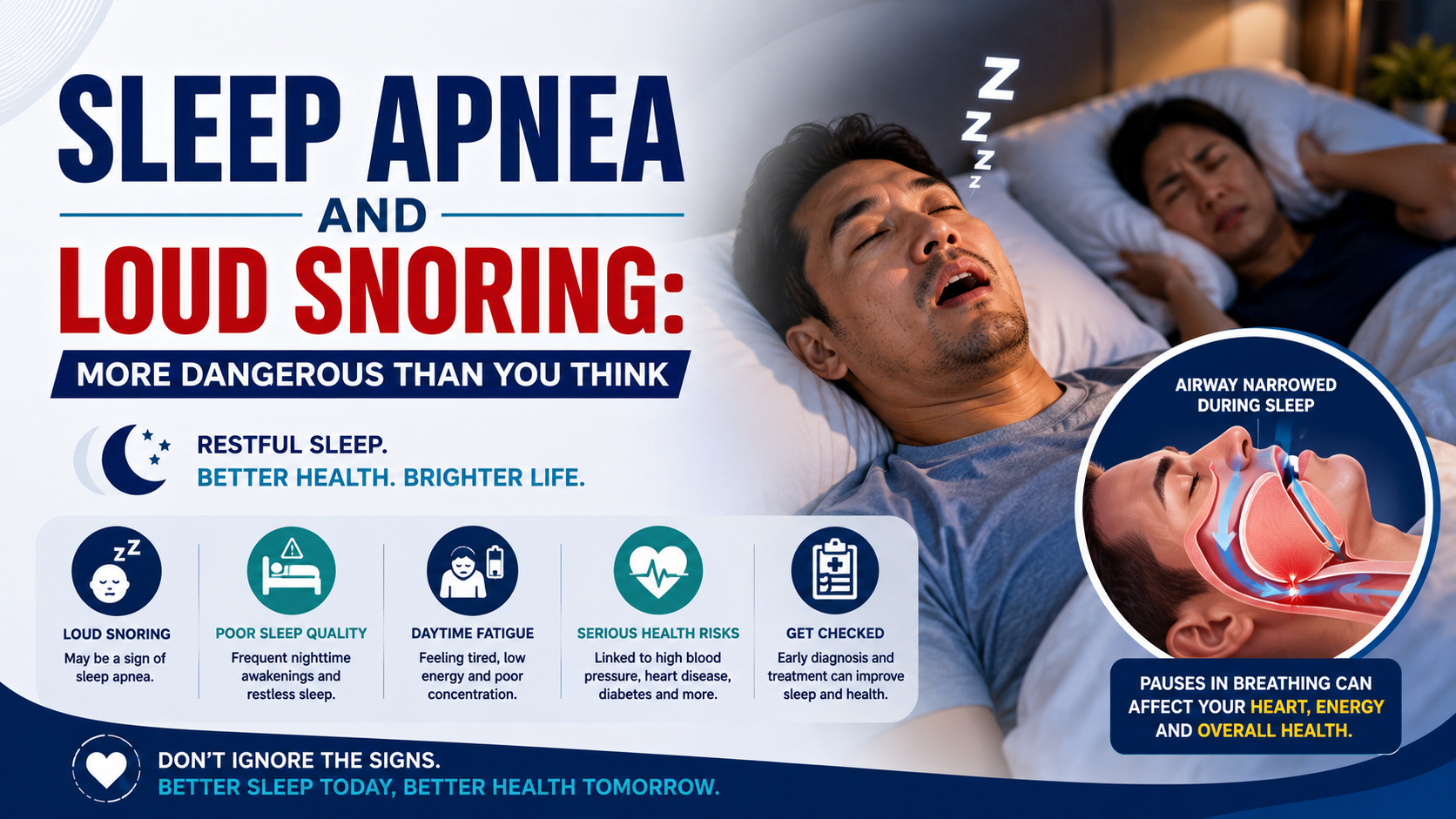
Many people view loud snoring as harmless or simply part of getting older. However, frequent loud snoring and poor sleep quality may sometimes be linked to a more serious condition known as obstructive sleep apnea (OSA), a sleep-related breathing disorder that can affect overall health and daily functioning.
Sleep apnea is a common but often underdiagnosed condition, particularly among men. Because symptoms frequently occur during sleep, many individuals may not realise their sleep quality is being affected until daytime fatigue, poor concentration, or other health concerns begin to interfere with daily life.
What is Obstructive Sleep Apnea?
Obstructive sleep apnea occurs when breathing repeatedly stops and starts during sleep due to partial or complete blockage of the airway. These interruptions may happen multiple times throughout the night, reducing oxygen levels and disrupting restful sleep.
Some individuals may be unaware they have sleep apnea until family members or partners notice symptoms such as loud snoring, gasping, choking sounds, or pauses in breathing during sleep.
Common Signs and Symptoms
Symptoms of sleep apnea may vary from person to person, but common signs can include:
- Loud and persistent snoring
- Daytime tiredness or fatigue
- Difficulty concentrating
- Morning headaches
- Poor sleep quality
- Waking up feeling short of breath
- Irritability or mood changes
In some cases, individuals may experience excessive daytime sleepiness that affects work performance, driving safety, or daily activities.
Why Sleep Quality Matters
Quality sleep plays an important role in overall physical and mental well-being. Poor sleep over time may affect concentration, memory, emotional health, and energy levels.
Sleep-related breathing disorders such as obstructive sleep apnea have also been associated with increased risks of certain long-term health conditions, including:
- High blood pressure
- Heart disease
- Stroke
- Type 2 diabetes
- Obesity-related health complications
Early awareness and medical assessment may help individuals better understand the cause of ongoing sleep-related symptoms.
Risk Factors for Sleep Apnea
Certain factors may increase the likelihood of developing sleep apnea, including:
- Excess Body Weight
Excess body weight may increase pressure on the airway during sleep, making breathing interruptions more likely. - Smoking
Smoking may irritate and inflame the airway, which can contribute to breathing difficulties during sleep. - Alcohol Consumption
Alcohol may relax throat muscles during sleep, increasing the likelihood of airway obstruction. - Family History of Sleep Apnea
Individuals with a family history of sleep apnea may have a higher likelihood of developing the condition. - Nasal Congestion or Airway Obstruction
Blocked nasal passages or structural airway issues may interfere with normal airflow during sleep. - Increasing Age
The risk of sleep apnea may increase with age due to changes in muscle tone and airway structure over time.
Men are generally considered to be at higher risk, although sleep apnea can affect individuals of all ages and genders.
When To Seek Medical Attention
Individuals who experience ongoing loud snoring, persistent daytime fatigue, or interrupted sleep are encouraged to seek professional medical assessment, especially if symptoms affect daily activities or overall well-being.
A healthcare professional may recommend further evaluation to better understand sleep patterns and breathing during sleep. Lifestyle adjustments alone may not address all sleep-related conditions, but healthy habits remain an important part of overall health management.
Certain lifestyle habits may help support healthier sleep patterns and overall wellbeing:
- Maintaining a healthy body weight
- Engaging in regular physical activity
- Reducing smoking and alcohol intake
- Keeping consistent sleep routines
- Creating a comfortable sleep environment
PMC: Supporting Community Health Awareness
Putra Medical Centre (PMC) in Alor Setar provides trusted medical services and preventive health programmes for communities across Kedah and northern Malaysia.
The hospital continues to support preventive healthcare awareness and community well-being initiatives for families across Kedah and northern Malaysia. Educational efforts surrounding sleep health and long-term wellbeing aim to encourage early awareness, informed decision-making, and healthier lifestyle habits within the community.
As conversations surrounding sleep quality and preventive healthcare continue to grow, greater awareness about sleep-related conditions remains important in supporting healthier communities throughout northern Malaysia.
Disclaimer: This content is for general educational purposes only and does not replace professional medical advice, diagnosis, or treatment. Always seek advice from a qualified healthcare provider for personal concerns. If you experience urgent symptoms, seek immediate medical attention or call 999.